The brief
The starting point wasn't a list of destinations.
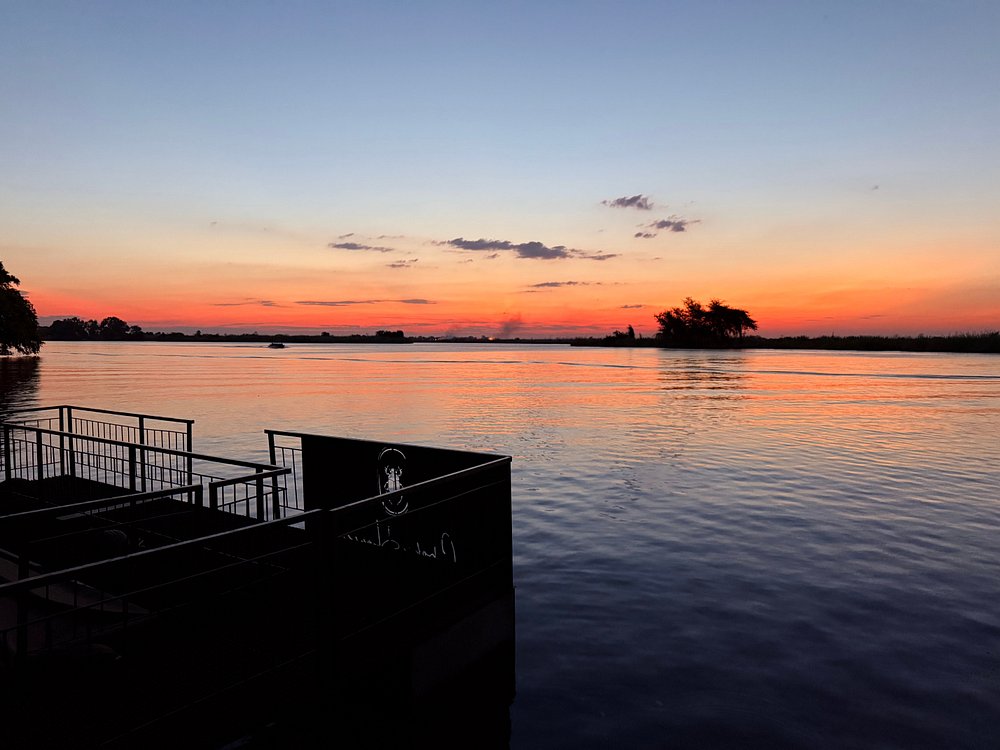
The brief was to create a memorable, high-quality family trip to Africa — a three-week journey that balanced adventure and relaxation, worked logistically, and felt special without becoming unnecessarily expensive.
The father had spent part of his childhood in Africa and wanted to give his family a sense of that experience.
At its core, the structure was clear: a safari, followed by time on the coast.
But how that journey unfolded mattered just as much as where it went.
They didn't want to go straight into the bush. It needed to build — easing into the adventure and allowing time to acclimatise, both physically and mentally.
The constraints
As with any trip, there were constraints.
Time. Budget. Travel distances. Availability.
But the more interesting challenges were less obvious.
The trip needed to work for a family who valued their own space. Standard hotel rooms wouldn't be enough, and given the significance of the trip, the safari needed to feel private.
And while the father wanted to share his experience of Africa, it couldn't simply be a recreation of his own memories — it needed to feel just as meaningful for the rest of the family.
Food also mattered — maintaining quality and variety throughout the journey.
And while being disconnected was part of the appeal during the safari, the teenagers still needed reliable wifi, particularly for the beach section.
The approach
Rather than treating the trip as a sequence of bookings, it was approached as an experience over time — one that needed to build, shift, and evolve.
Each part of the journey needed a role — a distinct emotional core. Not just where you are, but how that part of the trip should feel.
The design
The trip naturally divided into distinct parts, each with a clear role.
Given the father had lived in Kenya, the focus shifted to Southern Africa — creating distance from his earlier experiences and allowing the journey to feel new for everyone.
The landing — Cape Town
A city that felt different enough to signal the start of something new, but still familiar enough to ease into the trip.
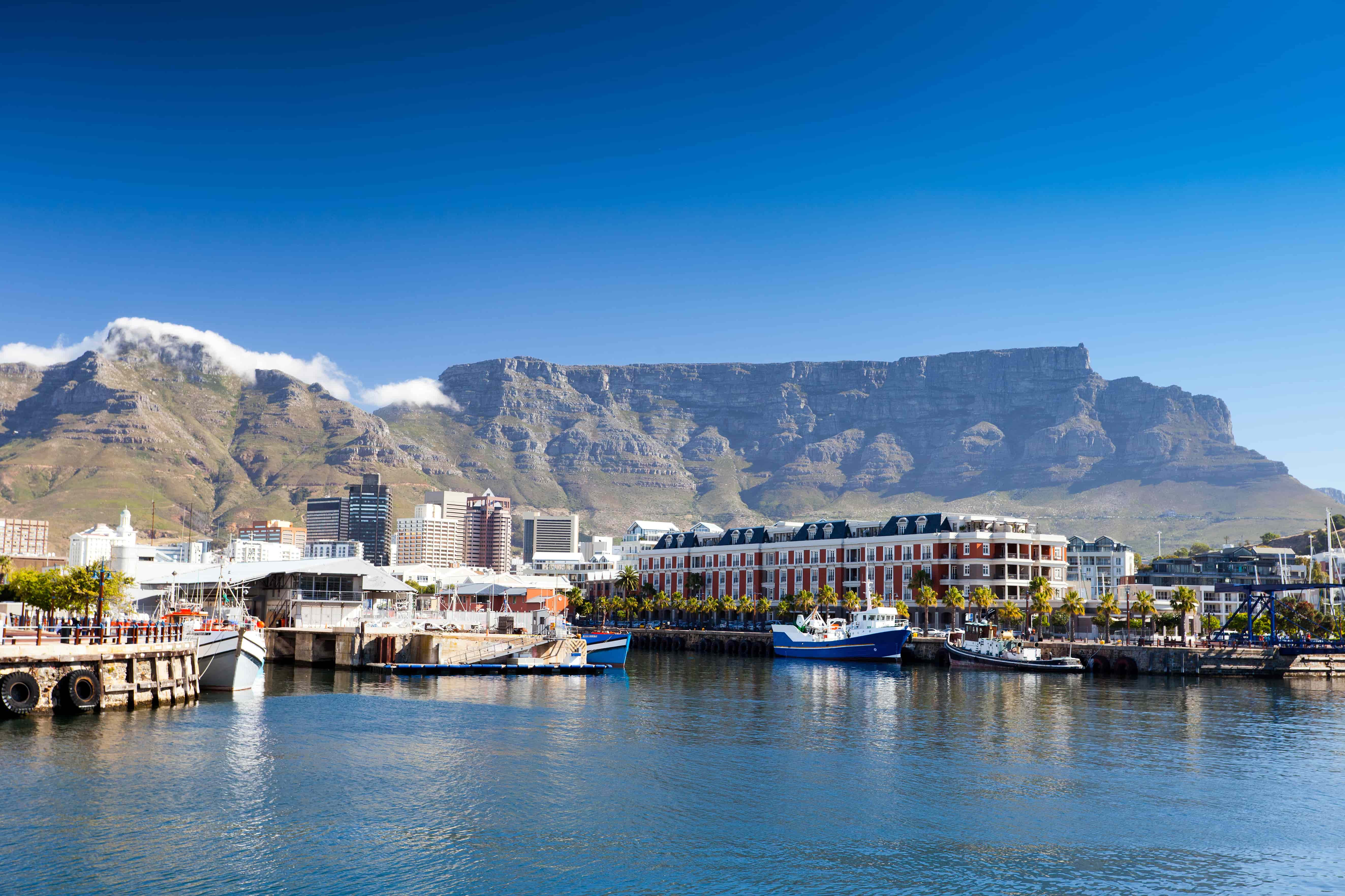
The journey began in Cape Town.
An apartment by the waterfront gave the family the space they needed, while allowing time to adjust — physically and mentally — before moving on.
Safari — Botswana
The safari was designed in two phases, allowing a gradual transition into the bush.
Chobe — introduction
A lodge-based stay in Chobe provided immersion, but with structure and comfort. A sense of occasion, without immediately pushing too far into intensity.
The first phase needed to engage without overwhelming.
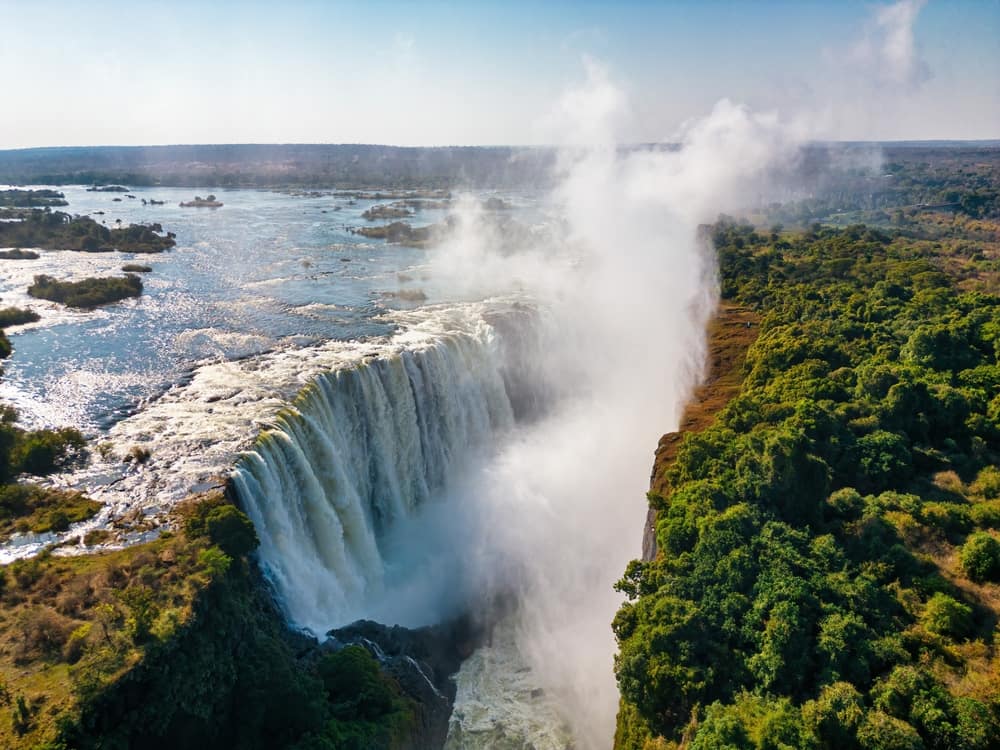
A visit to Victoria Falls added a moment of scale — reinforcing that they were somewhere genuinely unique.
Private safari — full immersion
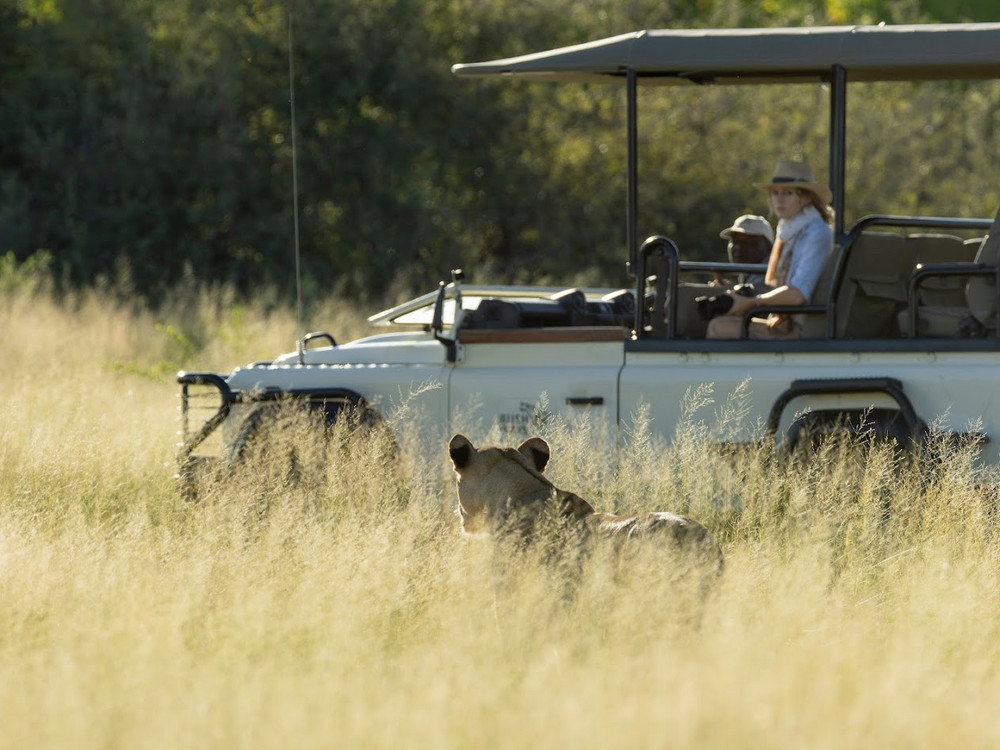
This was about depth. Space. Privacy. A fully private mobile safari — with their own guide, vehicle and chef — allowed the experience to become more personal and more immersive.
Over five nights, moving through different habitats, the journey became less about "seeing" and more about experiencing. The rhythm of the days, the changing landscapes, and the sense of progression all contributed to a deeper connection with the environment.
The final night was spent with the family behind the safari — a more personal setting that created a natural pause. A chance to reflect, reset, and prepare for the next phase of the journey.
Coastal Mozambique — release
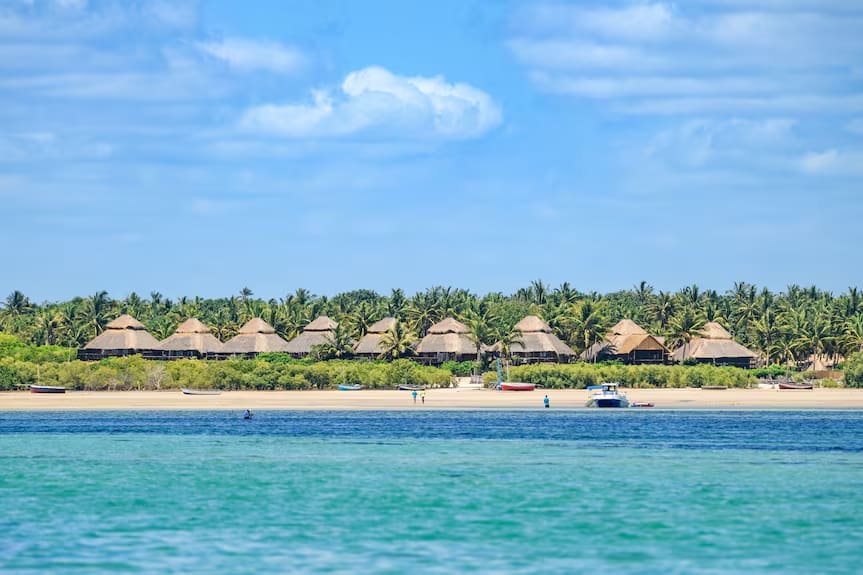
A large beachfront villa provided space, privacy, and a sense of release after the intensity of the safari.
The next phase shifted the energy completely.
This was time to slow down. To reconnect as a family.
At the same time, it needed to work for everyone. A resort setting allowed the children to socialise, while a dedicated Starlink connection ensured they could stay connected when they wanted to.
The experience remained varied — island trips, private dining, and time on the water — but the overall tone was softer, more relaxed.
At this point, the trip worked.
But it still wasn't complete.
The missing ingredient
On paper, everything was in place.
But emotionally, the journey sat in the same gear for too long.
It was all good — but too consistent.
What it lacked was contrast. A shift in energy. Something more playful. Less predictable.
The decision
Rather than extending the same tone, the decision was to introduce a wildcard.
The original plan had been to return to Cape Town. But after everything that had come before, it felt too similar — a gentle ending to a trip that needed something different.
The final part of the journey was redesigned not around luxury or location, but around energy.
Something that would change how the trip ends — and therefore how it is remembered.
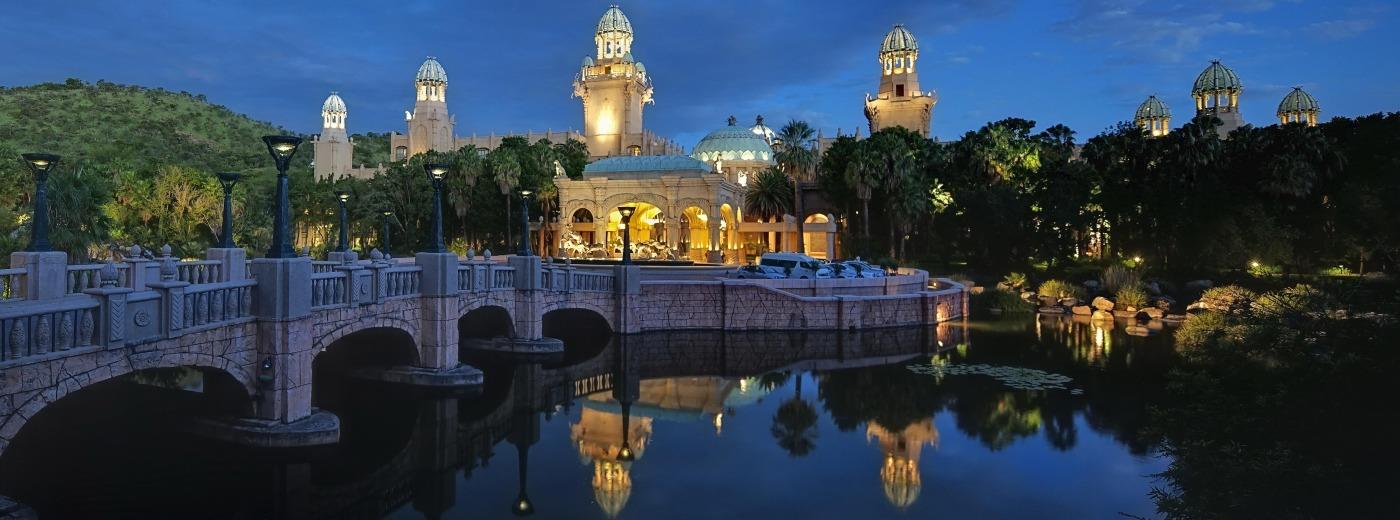
Sun City was chosen. A decision that remained broadly cost-neutral, but introduced a completely different atmosphere.
Two days of fun, movement, and contrast — creating a sharper, more memorable ending.
The outcome
That single change reshapes the entire journey.
The trip now has rhythm — it builds, slows, shifts, and finishes on a high.
Each part serves a purpose. Each decision contributes to how it feels.
Closing
One decision. A completely different journey.